Why Selous Reserve? Animal Life and Sighting Opportunities
As one of the largest game reserves in Africa, Selous covers an extensive area of 50,000 square kilometers (19,000 square miles). It is a UNESCO World Heritage Site and boasts diverse ecosystems, including savannahs, woodlands, rivers, and lakes. Selous is renowned for its incredible wildlife, including elephants, lions, leopards, giraffes, zebras, and a significant population of wild dogs. Boat safaris along the Rufiji River are a popular activity, offering a unique perspective of the reserve’s wildlife and birdlife.
Covering an area of approximately 50,000 square kilometers (19,000 square miles), the Selous Game Reserve is situated in the southern part of Tanzania, bordering Mozambique. It is named after the renowned British explorer and conservationist, Frederick Selous.
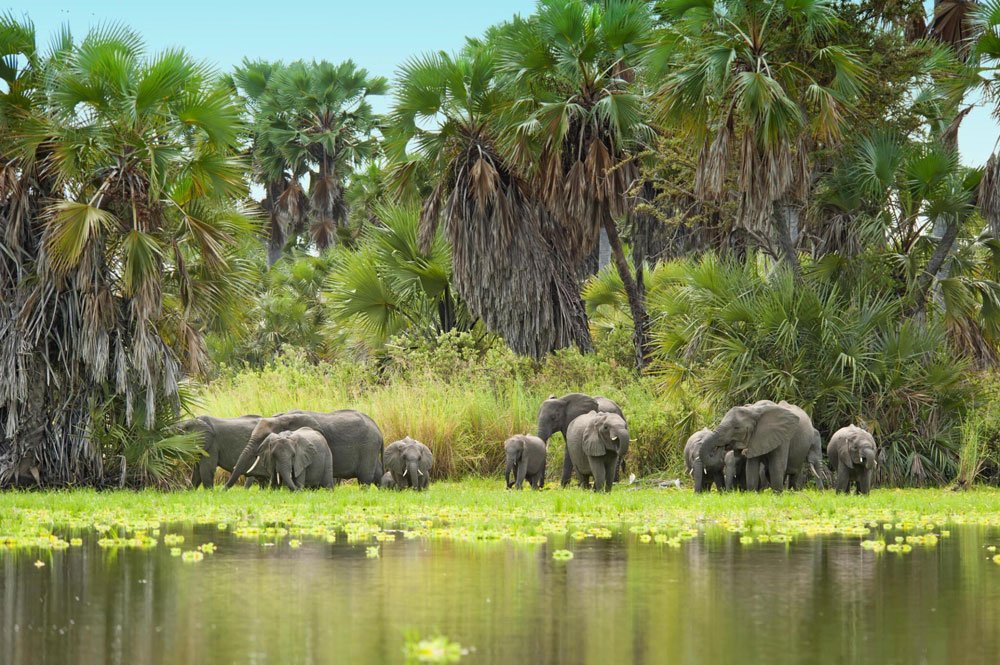
The Selous Game Reserve is celebrated for its remarkable biodiversity and is home to a wide array of wildlife species. The reserve boasts one of the largest elephant populations in Africa, estimated to be over 40,000 individuals. Other iconic African species that can be found here include lions, leopards, cheetahs, buffalo, giraffes, zebras, and various antelope species. The reserve is also a paradise for birdwatchers, with over 440 bird species recorded.
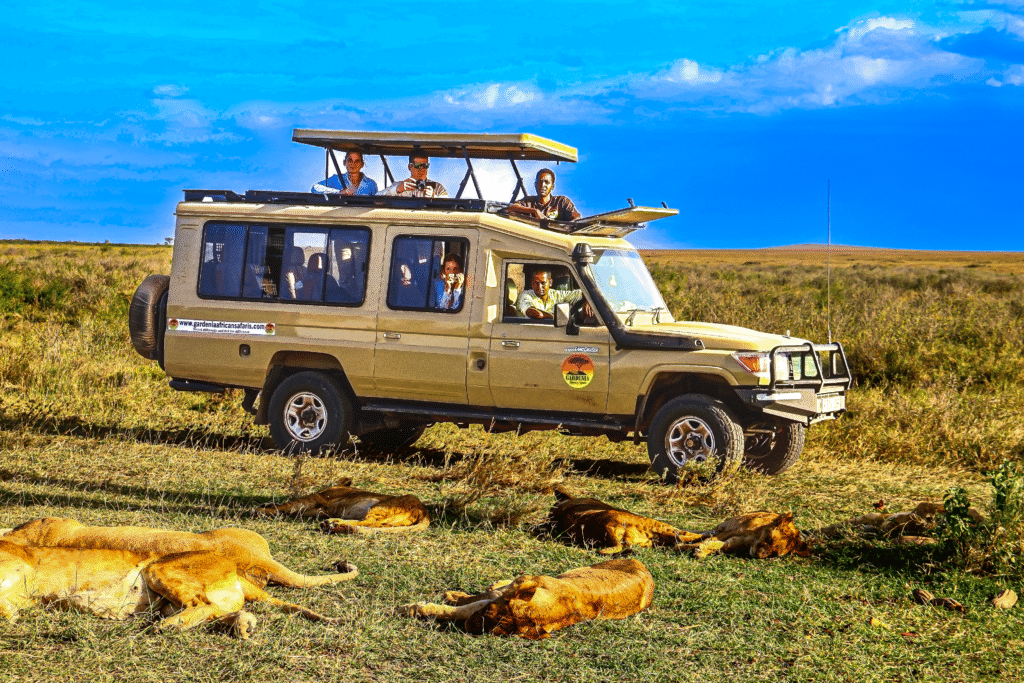
The Selous Game Reserve offers exceptional game viewing opportunities. Visitors can embark on thrilling game drives, guided walks, boat safaris, and thrilling fly camping experiences. These activities provide a chance to spot wildlife up close and explore the diverse ecosystems of the reserve, including grasslands, woodlands, wetlands, and the meandering Rufiji River.
The Rufiji River flows through the heart of the Selous Game Reserve and plays a vital role in supporting the rich biodiversity of the area. The river provides a habitat for crocodiles and hippos, as well as a water source for many other animals during the dry season. Boat safaris along the Rufiji River offer a unique perspective and the opportunity to observe wildlife from a different vantage point.
The Selous Game Reserve is renowned for its remote and untouched wilderness. Compared to other popular safari destinations, the reserve receives relatively fewer visitors, offering a more exclusive and intimate safari experience. This allows for a sense of seclusion and a deeper connection with nature.
The Selous Game Reserve is renowned for its remote and untouched wilderness. Compared to other popular safari destinations, the reserve receives relatively fewer visitors, offering a more exclusive and intimate safari experience. This allows for a sense of seclusion and a deeper connection with nature.
The Selous Game Reserve is dedicated to conservation efforts, including anti-poaching initiatives and sustainable tourism practices. The reserve plays a crucial role in protecting the diverse wildlife and habitats of the region, contributing to the preservation of the Selous ecosystem and its natural heritage.
Visiting the Selous Game Reserve offers a unique opportunity to explore an expansive and relatively untouched wildlife sanctuary. Its vast size, incredible biodiversity, and remote location provide an immersive and authentic safari experience, making it a must-visit destination for nature enthusiasts and wildlife lovers in Tanzania.
” alt=”WeChat QR Code” />