If you’re planning a trip to Tanzania, you might wonder if knowing English suffices or if learning Swahili is essential for smoother travels, especially off the beaten path. Does Tanzania have a predominant language used throughout the country, even in non-touristy regions?
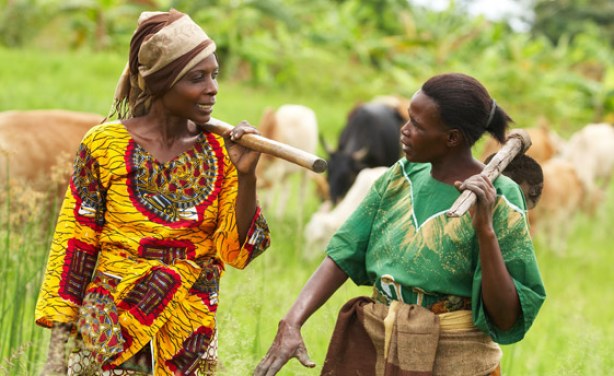
If that’s the case, is there a method to obtain some basic Swahili phrases to demonstrate your appreciation for the language and culture without causing misunderstandings?
In this piece, we examine the various languages spoken in Tanzania and the origins of Swahili, the most prevalent language. Keep reading to learn how to ensure an enriching and thrilling holiday experience.
Generally, Tanzania boasts over 100 distinct languages, with Swahili standing out as the most spoken and widely utilized. Swahili serves as a primary or secondary language for the entire population alongside various tribal languages.
English also holds significance in certain areas, albeit primarily as a second or third language. While it’s taught in schools, proficiency levels vary, with some individuals proficient in reading but struggling with comprehension.
The need to learn English often arises for advancement in higher education, and it’s prevalent in higher courts and diplomatic circles for fostering relationships and shaping trade policies.
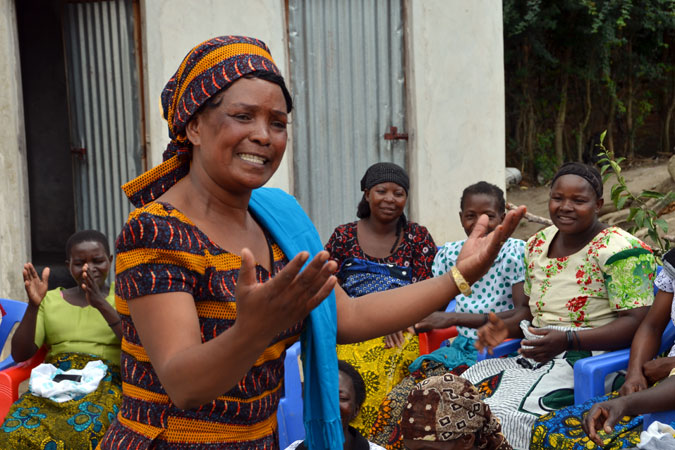
You may be curious about the origins of this widely spoken language, which is believed to have evolved from trade interactions between the coastal communities of East Africa and the Arabs.
References to this language date as far back as the end of the 1st century AD, and it’s categorized as a Bantu language among the 12 types, including Rundi, Shona, Xhosa, and Zulu.
Its usage increased notably around the 19th century, adopted by European colonists, laying the groundwork for its designation as the national language of independent Tanzania.
The language is particularly intriguing due to its extensive vocabulary of root words rooted in Bantu heritage and its significant influence from the Arabic language, as evidenced by its own name, Swahili.
Now that we’ve provided an overview of the predominant language, let’s explore some lesser-known languages spoken in Tanzania. These languages, prevalent in dispersed communities, hold equal importance in shaping the cultural tapestry.
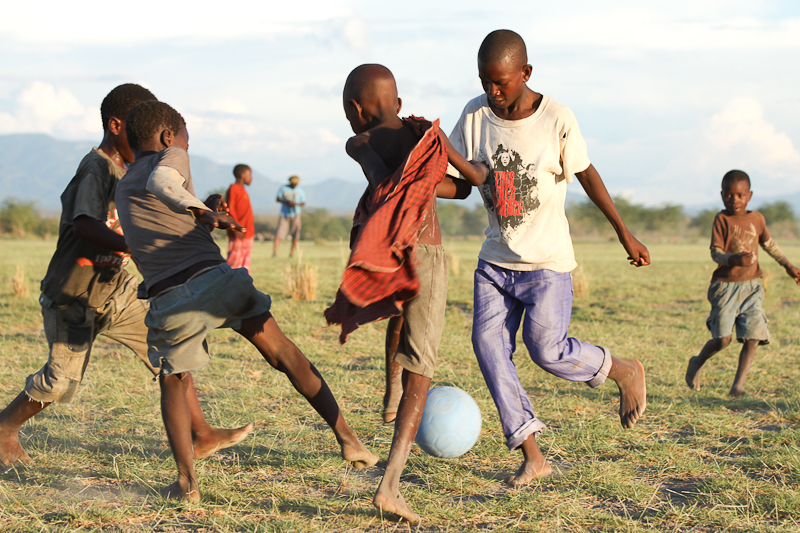
Kisankasa – A Bantu language prevalent among the Kisi people of the Njombe region, showcasing the country’s linguistic diversity.
Pare – Spoken by the Pare people in northeastern Tanzania, also known as Chasu, Athu, and Chathu, with approximately 500,000 speakers, making it more widely used than other dialects and some indigenous languages.
Bemba – Also spoken in the Democratic Republic of the Congo and Zambia, serving as a common or bridge language among Tanzania’s indigenous peoples, primarily in the southern region. It’s also referred to as Chibemba, Cibemba, and Ichibemba.
Hehe – With a complex tense-aspect-mood system native to the Iringa region south of the Great Ruaha River, this language is spoken by fewer than 200,000 people and has undergone some changes in its features over the past 150 years.
Given the multitude of languages and sub-languages in use, it’s unsurprising that certain forms of the Bantu language may be sparsely utilized or replaced by sub-languages, similar to the situation in Tanzania’s neighboring country, Kenya.
An example within Tanzania is Asa, once predominant among the Asa people in the northern region but now extinct as no native speakers remain.
While some words may retain significance for specific communities, many are fading into the memories of older generations.
With 112 native languages in Tanzania, tracking each one proves challenging. Usage spans from thousands to millions of active speakers, with some languages as distinct as English or German.
Political decisions significantly influence language promotion and integration within communities.
Some argue against English as the primary language in education, as Kiswahili dominates daily life beyond the classroom, challenging the justification for its educational focus.
In this section, we highlight languages in Tanzania originating from outside the country, including French, German, Portuguese, Gujarati, Arabic, and Hindustani, among others. Additionally, Tanzania boasts around 100 distinct ethnic groups and tribes, each with its own language, many of which are variations of the Bantu language, showcasing the country’s rich diversity.
French has gained prominence in Tanzania alongside Swahili and English, recently being incorporated into the school curriculum. Approximately 1.5 million Tanzanians are proficient in French.
While Tanzania is known for its multilingualism, Swahili and English are often regarded as the primary working languages. In sectors like tourism, English is commonly used by tour guides, with efforts made to accommodate other languages such as Spanish, French, Italian, German, and Japanese.
For an authentic Tanzanian experience, embracing some Swahili is recommended.

If you’re gearing up for a safari or volunteering stint in Tanzania, mastering some Swahili basics can facilitate cultural exchange and enhance your experience. Locals may be more inclined to assist you if you can communicate your queries or feelings, seeking recommendations or travel advice.
Greetings:
Civilities or Conversation:
Navigation:
Health and Emergency:
TIPS FOR A SMOOTH TRIP AND CULTURAL IMMERSION
Learning Some Swahili:
Tour Guides Can Assist:
Be Mindful of Customs and Traditions:
CONCLUSION: Understanding the languages spoken in Tanzania and learning basic terms can significantly ease navigation during your trip. Efforts to immerse yourself culturally can make your experience more enriching and enjoyable.
” alt=”WeChat QR Code” />